How do you know if a goldfish is happy?
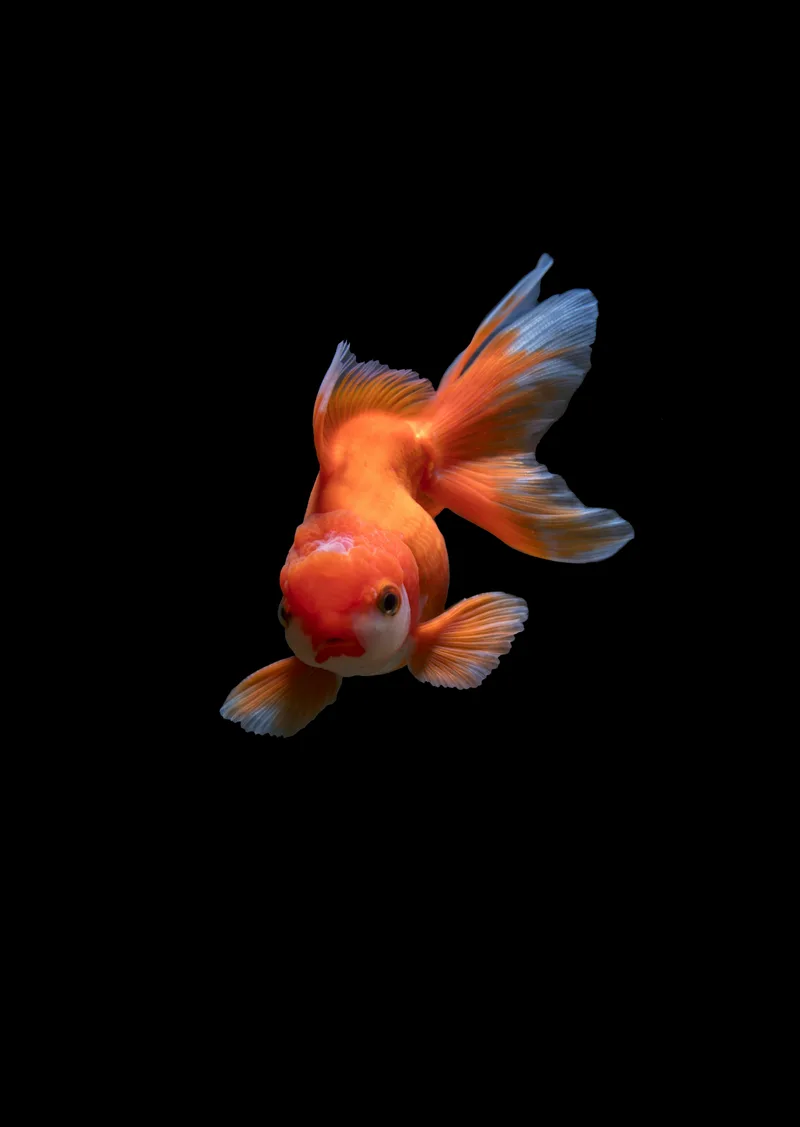
A thriving goldfish shows it through behavior you can see without any special equipment. If yours is swimming actively through the tank, foraging along the bottom, holding its fins open, eating on schedule, and keeping its color bright, it's doing well. Below is what each of those signs looks like up close, what the warning signs are when something is off, and what "happy" actually means for a fish that doesn't experience emotions the way you do.
What Does a Happy Goldfish Actually Look Like?
A goldfish in good shape is a busy goldfish. You'll see it cruising through all levels of the tank, not just sitting in one spot, and poking around the substrate looking for food even when you haven't fed it. That foraging instinct is one of the strongest indicators that a goldfish is comfortable in its environment.
Here's what to watch for:
- Active, steady swimming. The fish moves through the tank with purpose, exploring different areas rather than hanging at the surface or sitting on the bottom. Fancy goldfish like Orandas and Ryukins are naturally slower and less agile than common goldfish or comets, so a slower pace isn't a concern by itself.
- Fins held open and relaxed. A healthy goldfish carries its dorsal (back) fin upright and its other fins spread out and flowing. Clamped fins, where the fish holds them tight against its body, are one of the first signs that something is wrong.
- Bright, consistent coloration. Healthy goldfish hold their color well. Fading, darkening, or patchy changes can signal stress or disease.
- Steady appetite. A goldfish that comes to the surface at feeding time and eats with enthusiasm is telling you things are working. Goldfish are not subtle about food. If yours doesn't react to feeding, pay attention.
- Foraging behavior. Sifting through gravel or sand, mouthing at plants, and picking at surfaces between meals. This is normal exploratory behavior, not hunger.
- Social interaction with tank mates. If you keep more than one goldfish, watch for loose, relaxed proximity. They'll swim near each other, sometimes follow each other around the tank, without chasing or fin-nipping.
If your goldfish does most of these things on a regular basis, it's in good shape. You don't need every sign every day. Keeping the conditions right is what produces these behaviors consistently.
What Are the Warning Signs That Something Is Wrong?
The flip side of a thriving goldfish is one that's withdrawn, physically off, or behaving erratically. Most of these signs point to a small number of common causes, so recognizing the pattern helps you figure out where to look first.
- Clamped fins. The fish holds its fins flat against its body instead of open and flowing. This is a general stress response. It usually points to water quality problems (high ammonia, nitrite, or a pH swing), but it can also show up during disease or after a temperature change.
- Sitting on the bottom. A goldfish that rests on the substrate for long stretches, especially during the day, is not behaving normally. The most common cause is poor water quality, but swim bladder issues (common in fancy goldfish) can also make it hard for the fish to stay buoyant.
- Gasping at the surface. Hanging at the waterline and gulping air usually means low dissolved oxygen. Check your filtration and surface agitation. In a tank that's been running fine, a sudden onset of gasping can mean an ammonia spike.
- Color fading or darkening. Gradual color loss can be age-related, but rapid changes typically indicate stress. Dark patches that appear suddenly are worth investigating.
- Refusing food. A goldfish that won't eat for more than a day or two is telling you something. Water quality is the first thing to test. Internal parasites and bacterial infections are secondary possibilities.
- Flashing (erratic darting and rubbing). A goldfish that suddenly darts across the tank and rubs its body against decorations or the substrate is trying to scratch something off. This often means external parasites like ich or flukes, or skin irritation from poor water conditions.
If you're seeing one or more of these signs, test your water first. Ammonia, nitrite, and nitrate levels explain the majority of goldfish behavior problems. A goldfish showing multiple signs of stress at once needs prompt attention.
Can Goldfish Actually Feel Happy?
Goldfish don't experience happiness the way you do. They don't have the brain structures that produce emotions in mammals. But they're far from simple.
Goldfish have measurable stress responses. When conditions are poor, their cortisol levels rise, just like yours do when you're under pressure. They avoid things that have hurt them, seek out environments they prefer, and can be conditioned to respond to specific stimuli. What we call a "happy" goldfish is really one that shows low stress, active behavior, and normal physiology. That's not a lesser state. It's what healthy looks like in a fish.
You can't know what a goldfish feels internally, and there's no reason to project human emotions onto it. But you can observe its behavior, and that behavior tells you a lot about whether its needs are being met. A goldfish that forages, swims actively, eats well, and holds its color is a goldfish whose biology is running the way it should.
Did you know? Goldfish can learn to navigate mazes and remember the route for months. The "15-second memory" myth has been debunked repeatedly in lab studies. These are animals that learn, remember, and respond to their environment in ways that matter for how you keep them.
Do Goldfish Recognize You and Respond to You?
If your goldfish swims to the front of the tank when you walk into the room, you're not imagining it. Goldfish learn to associate their owner's appearance with food. They respond to visual cues (your shape, your movement patterns) and to vibrations (your footsteps). Over time, that association gets strong enough that the fish will react to you specifically and not to strangers.
This is a conditioned response, not affection in the way a dog shows it. But it is a genuine interaction. Your goldfish has learned something about you and is acting on that knowledge. Some owners can train their goldfish to follow a finger along the glass or to come to a feeding ring on cue. The fish is processing information, remembering it, and making decisions based on it.
That greeting behavior is also one of the most reliable signs that a goldfish is comfortable. A stressed fish hides. A fish that's doing well comes to meet you. Whether goldfish truly recognize their owners is a question with some nuance, but the behavioral pattern is real and consistent. Learning to read these small everyday signals is one of the quiet rewards of keeping goldfish. They're more perceptive and responsive than most people give them credit for, and the fact that yours comes to say hello isn't nothing.